
In 2008 the S-Line became Jacksonville’s first dedicated urban trail when the City of Jacksonville gained possession of an abandoned length of CSX railroad Right-of-Way.
The goal was to create an urban park that could serve as a catalyst to improve the surrounding neighborhoods by connecting schools, parks and other community assets. Partners of the S-Line urban greenway project included the City of Jacksonville Parks and Recreation, the Blue Foundation the Durkeeville Historical Society and the Kresge Foundation.
Now part of the planned 30-mile Emerald Trail Master Plan, the S-Line is a 4.8-mile rails-to-trails multi-use path that begins at Myrtle Avenue near State Street and continues northeast through Durkeeville and Springfield ending behind Norwood Plaza.
Approximately 1.3-miles of the S-Line, from 12th St. and Boulevard, near Andrew Robinson Elementary School to E. 21st St., remain unfinished and will be completed as part of Segment 4 of the Emerald Trail project. This segment is supported by Swisher, in recognition of its 100-year-plus history of operations in this neighborhood.
The S-Line is home to various events including organized bike rides and history tours in addition to frequent community service projects.
History of the S-Line
Built in 1886 as the Jacksonville Belt Railroad, the line connected LaVilla’s Honeymoon Yard with the Fernandina & Jacksonville Railroad. It ran south from Yulee, Fla, creating a loop around Jacksonville. In 1902 it became part of the Seaboard Air Line Railroad which is how it became referred to as the S-Line.
Over time the S-Line became a vital freight corridor, powering industry. Parts of Springfield grew rapidly into a distribution hub, with factories, warehouses and bottling plants that needed quick rail access.
For over 100 years, the S-Line supported Jacksonville’s industry and major employers like Aetna Iron & Steel Company, Dawkins Building Supply Company, Dorsey Company Bakery, Florida Machine & Foundry, Flowers Baking Company, Graham-Jones Paper Company, Moore Dry Kiln Company, National Merchandise Company (Pic N’ Save), Pittsburgh Plate Glass, King Edward Cigars/Swisher and Winn & Lovett.
By the 1980s the S-Line was largely abandoned by CSX.
Taking a Tour of the S-Line
Download Riding/Walking Maps of the S-Line
S-Line Biodiversity Corridor Field Guide
 This informative Field Guide will better understand and enjoy the biodiversity corridor. It is a great resource for educators and homeschool teachers looking for interesting environmentally based field trips.
You may also download the iNaturalist app and record your observations along the S-Line Biodiversity Corridor. Learn more about the creator Alexia Maier
Points of Interest
State Street Warehouses
The Moore Dry Kiln Company Warehouses were constructed by Lafayette Moore and date back to 1914.
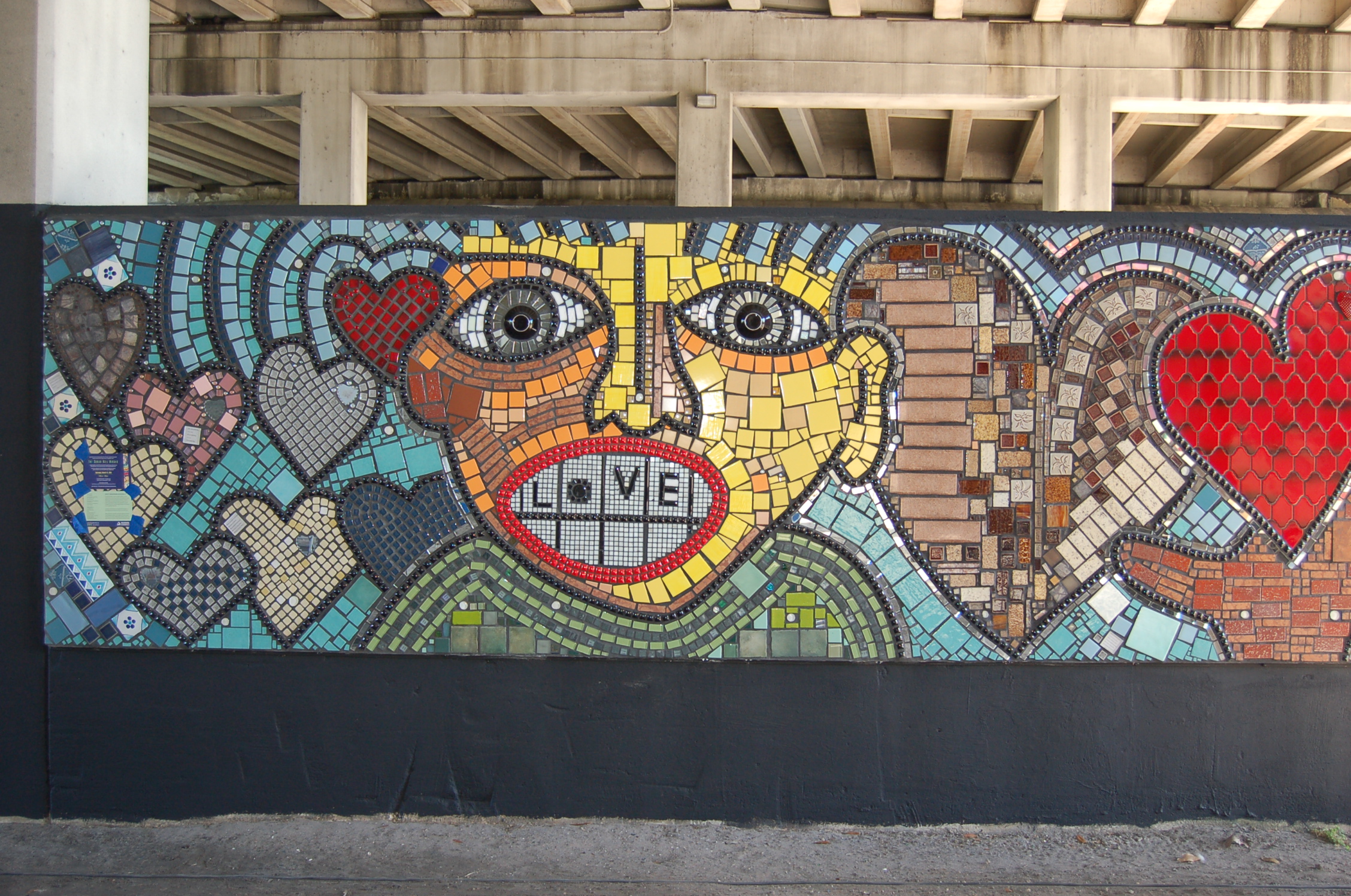
Sugar Hill Mosaic
The Sugar Hill Mosaic is located along the S-Line Rail Trail under the I-95 overpass just west of N. Davis Street.
Groundwork Jacksonville commissioned Jacksonville artists Kate and the late Kenny Rouh, of RouxArts to create the public art installation. The 96-foot-long mosaic honors the Sugar Hill neighborhood, an affluent African American neighborhood from the late 1800s to the 1960s before the construction of I-95.

Biodiversity Corridor
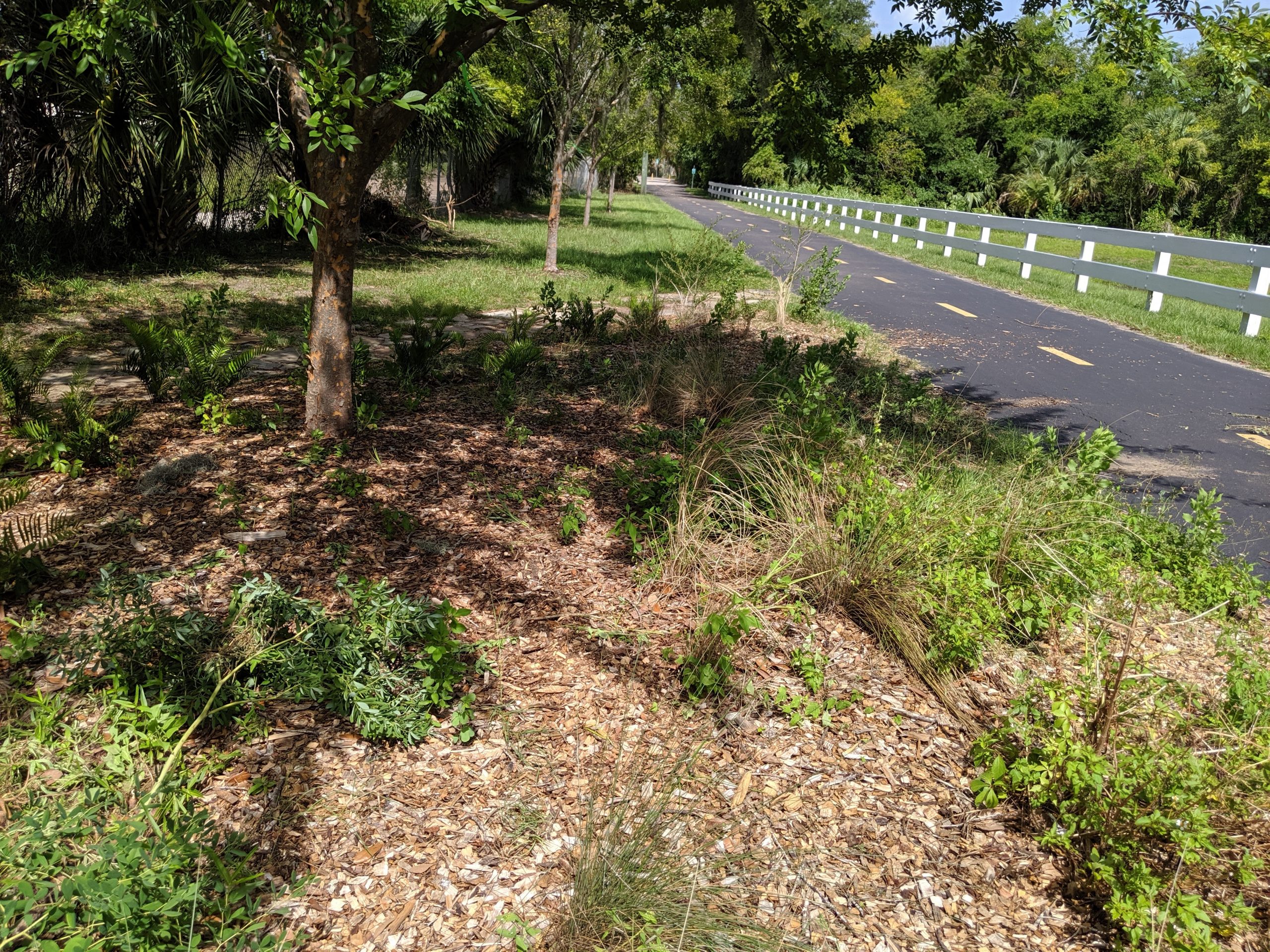
Along the S-Line between Moncrief Road and Boulevard is known as the Biodiversity Corridor where you can see a large bioswale, a community herb garden and flower garden, bee hotels and pollinator plants. Work along this portion has been completed by Groundwork Jacksonville’s Green Team youth apprentices as well as community volunteers.
Phoenix Arts & Innovation District
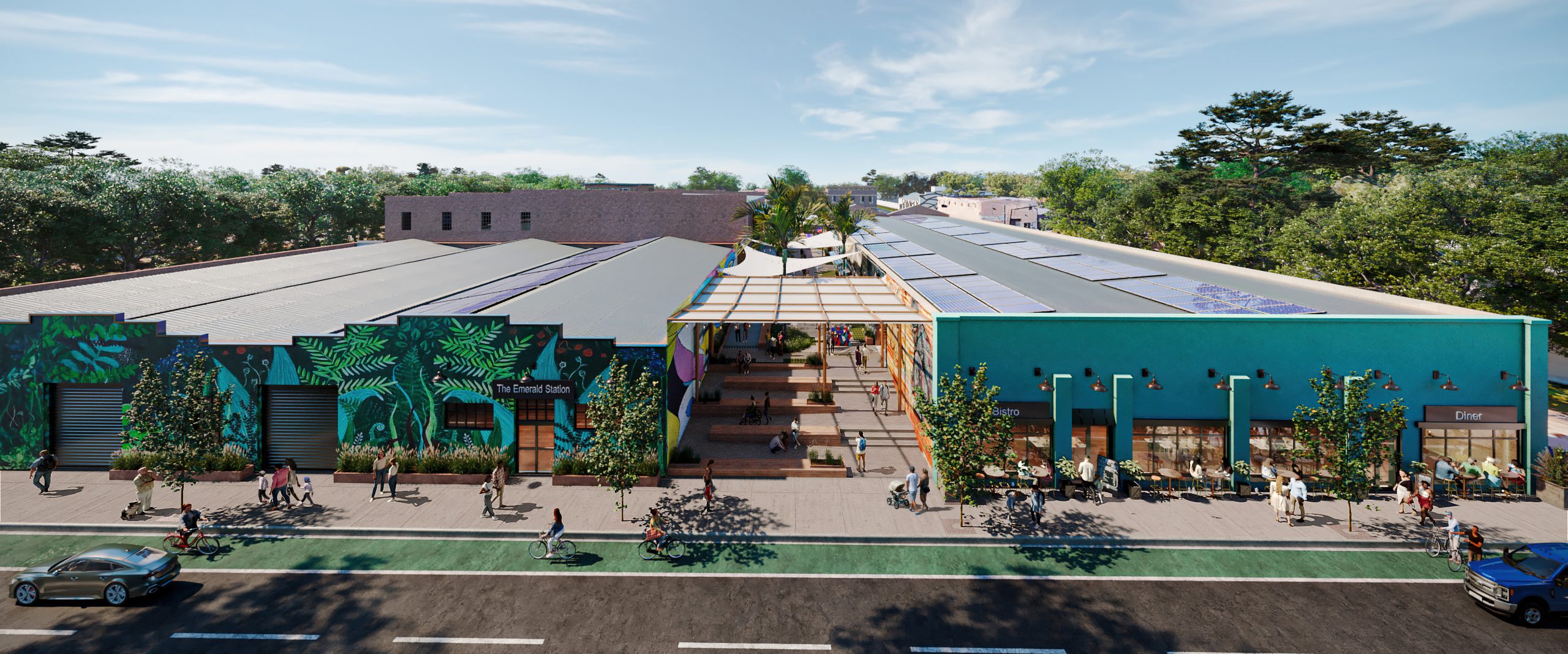
This Instagram-worthy stop is the Phoenix Arts & Innovation District featuring eight acres of historic warehouses and outdoor gathering spaces. The PHX JAX District will offer an urban center - of co-working space, artist studios and retail spaces to incubate small businesses. Throughout the property, the community campus will be converted into pocket parks, studios, housing, offices and apartments, food and beverage, event spaces, galleries, and more.
Evergreen Cemetery
Evergreen Cemetery is the oldest, fully operating cemetery in the city and the resting place for 70,000 souls including some of Jacksonville’s most prominent residents. It hosted its first burial in 1881. Evergreen has numerous sections for various fraternal, military, and religious groups — especially a large Catholic section and two large sections set aside for the Hebrew Cemeteries. Evergreen also includes the old Woodlawn Cemetery and Mount Olive, an African American section.